

University Rankings and Third-Party Evaluation Results
The University of Southern Queensland has consistently performed well in authoritative international rankings—it was ranked in the 351–400 range globally in the 2026 Times Higher Education (THE) World University Rankings; 410th globally in the 2026 QS World University Rankings; and 278th in the 2025–2026 U.S. News Best Global Universities Rankings. The university has been awarded QS Five-Star University status and is ranked among the Top 58 Young Universities in the World. At the subject level, Life Sciences is ranked 201–250 globally, and Engineering is ranked 251–300; Agriculture and Forestry (301–350), Environmental Sciences (351–400), and Materials Science (351–400) are the university’s areas of strength.
History and Tradition
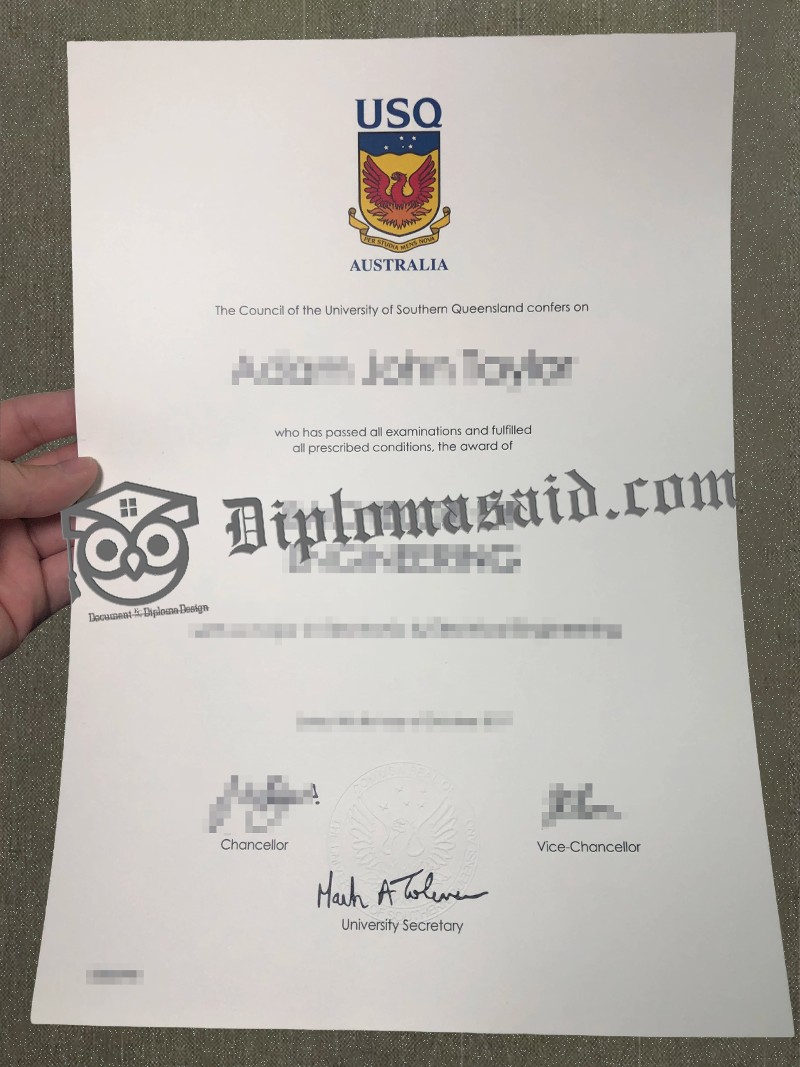
The origins of the University of Southern Queensland can be traced back to the Queensland Institute of Technology (Darling Downs), established in 1967. In 1971, it was renamed the Darling Downs Institute of Higher Education, and in 1990, it was officially upgraded to the University of Southern Queensland College. In January 1992, it was officially granted university status. The university’s motto, “Per Studia Mens Nova,” means “Through study, the mind is renewed.” As a leader in distance education, more than 70% of its students complete their studies through distance or online learning. The International Open and Distance Learning Commission has awarded the university its Excellence in Institutional Practice Award. Ready to shorten the time it takes to earn a University of Southern Queensland degree?
Campus Environment and Facilities
The University of Southern Queensland operates three major campuses in Queensland: Toowoomba, Springfield, and Ipswich. The Toowoomba campus is the main campus, located adjacent to Wellkamp Airport, and is equipped with facilities such as lecture halls, science laboratories, basketball courts, a gym, a tennis center, and student dormitories. The Springfield campus utilizes state-of-the-art technology to create a student-centered learning environment, featuring a digital production and performance center and a world-class flight simulator. The Ipswich campus is currently constructing a brand-new three-story health sciences building, scheduled to open in early 2027, aimed at expanding its capabilities in health education and research. Each campus is equipped with libraries, computer labs, performing arts theaters, sports fields, and lifestyle amenities such as banks, post offices, and restaurants.
Detailed Information on Tuition Fees and Scholarship Policies
The University of Southern Queensland offers highly attractive scholarship programs for international students. The International Student Support Scholarship provides eligible new students with a 10% tuition reduction covering the entire duration of their program. This scholarship is automatically assessed based on admission scores and is renewable as long as students maintain satisfactory academic performance throughout their studies. Research-based international students may also apply for the CSC-UniSQ Joint Funding Program, which offers a full tuition scholarship for doctoral programs (for up to 48 months). With its cost-effective tuition and generous scholarship support, the university provides international students with a high-quality and affordable educational option.
Graduate Outcomes
University of Southern Queensland graduates perform exceptionally well in the job market—the university received five-star ratings in the 2026 *Good Universities Guide* for graduate success, full-time employment, and starting salary indicators. Eighty-four percent of undergraduates and 90% of graduate students secure full-time employment within three months of graduation. Notably, University of Southern Queensland undergraduate graduates lead the nation with the highest median starting salary in Australia at $80,000 AUD. The university has consistently ranked first in Queensland for graduate full-time employment rates for many years. The university collaborates closely with industry to develop its curricula, ensuring that students graduate with the practical skills employers seek.