

Leading Disciplines and Program Rankings
EHB excels particularly in the fields of arts, health sciences, and teacher education. The Royal Conservatory of Brussels (KCB) and the Royal Institute for Theatre, Cinema, and Sound (RITCS) are among Europe’s top arts institutions; their music performance and film production programs rank among the top three in the Flemish Region, and graduates frequently secure positions in EU cultural institutions and international media companies. In the field of health sciences, the Biomedical Laboratory Technology and Nursing programs are delivered in partnership with several top hospitals in Brussels (such as UZ Brussel), maintaining an employment rate of over 95% year-round. Additionally, the Hospitality and Tourism Management program leverages Brussels’ status as the conference capital of Europe to establish direct internship pathways with organizations such as the European Commission, Hilton, and Sofitel.
Faculty and Teaching Model
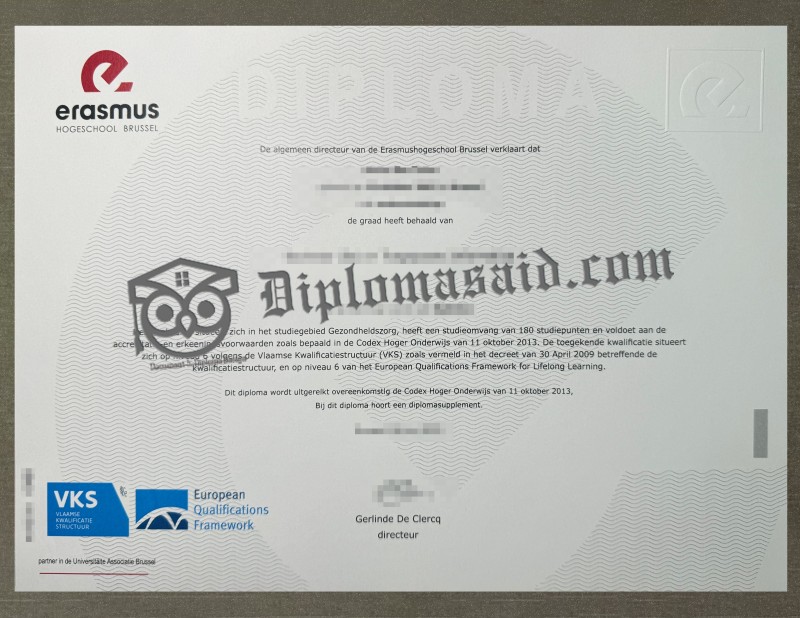
EHB has approximately 1,200 faculty and staff members, including over 400 professors and senior lecturers. The student-to-faculty ratio is approximately 1:15, ensuring the effective implementation of small-class instruction. Core professional courses are typically limited to 20–25 students, while art studios and clinical training sessions are as small as 8–10 students, ensuring that every student receives ample individual guidance. The school implements a dual-track teaching model: the theoretical component utilizes case-based teaching and flipped classrooms, while the practical component is embedded within real-world projects—for example, tourism management students are required to design a comprehensive marketing plan for the Brussels Tourism Board, which is then evaluated by an industry panel. Globally recognized level of the Belgian university degree
Number of Student Clubs and Organizations
EHB’s student club system is vibrant and diverse, with over 40 registered clubs covering fields such as culture, the arts, sports, and social welfare. The most distinctive is the “Erasmus Student Network (ESN) Brussels”, which organizes over 50 intercultural events annually, including city tours, language cafés, and international dinner clubs. The EHB Student Radio and campus newspaper editorial board provide hands-on platforms for media students. The “Club Welcome Festival” held every September is the liveliest time on campus, where new students can quickly find like-minded peers by interacting face-to-face with club leaders.
Career Center and Industry Partnerships
EHB’s Career Center has established partnerships with over 500 companies, including EU institutions, Deloitte, KBC Bank, and Brussels Airlines. The center offers a one-stop service ranging from resume optimization and mock interviews to industry mentor matching. It hosts two major job fairs each year—in spring and fall—with an average of over 80 employers attending each event to present on campus. Up to 93% of graduates find employment or pursue further studies within six months of graduation, with programs in Hotel Management, Applied Computer Science, and Nursing achieving a placement rate exceeding 80% at graduation. The average starting salary for graduates is approximately €2,300 per month (after tax), placing it in the upper-middle range among Belgian higher education institutions.
Sustainability and Green Campus
EHB is one of the first universities in Belgium to sign the “Green Deal”, committed to achieving a carbon-neutral campus by 2030. New campuses such as Campus Kanal incorporate solar photovoltaic panels, rainwater harvesting systems, and smart lighting controls, reducing energy consumption by 40% compared to traditional buildings. The university cafeteria has completely phased out single-use plastic cutlery, offers a weekly vegetarian week, and encourages students to use reusable lunch boxes. The campus features a “Green Lab” where students can research urban agriculture and circular economy solutions. The “Sustainability Day” held each semester includes a clothing swap, bicycle repair workshops, and environmental lectures, integrating low-carbon concepts into daily academic life.